We work before decisions become expensive to change
Our process is not based on selling technology, but on understanding life in the building, coordinating disciplines, protecting privacy and making rational technical decisions.
We coordinate the design with the people who shape, equip and build it
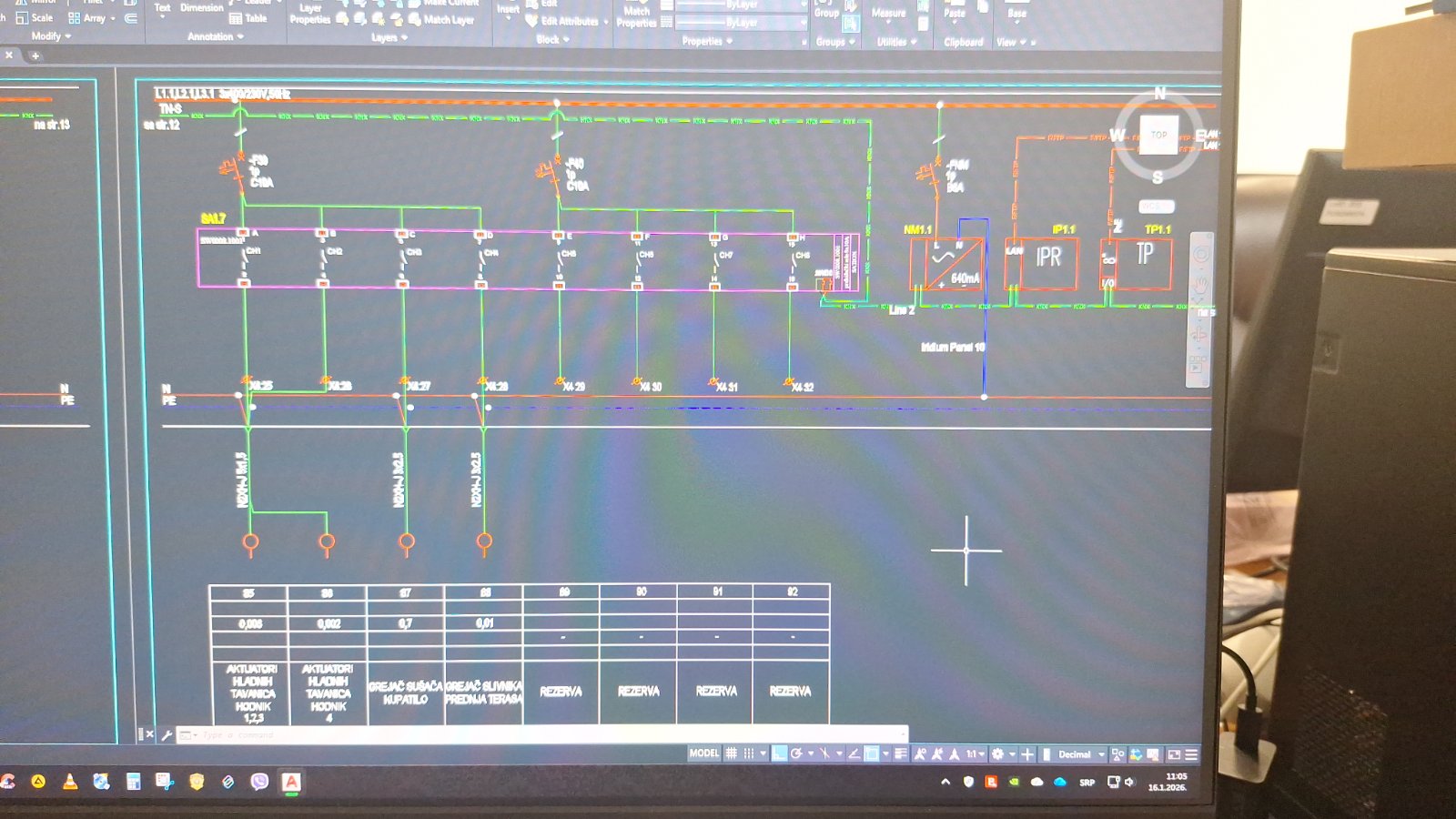
From drawing to a space that works
Our process does not end with a drawing. We check the technical design against the interior, mechanical systems, execution constraints and future maintenance. Only when these views are aligned does the project become ready for execution.
A home is not only an investment. It is everyday life.
When a high-end residence is being designed, the conversation often begins with large decisions: location, budget, architecture, deadlines and long-term value.
But a home does not remain only an investment. It becomes the place where a family lives every day.
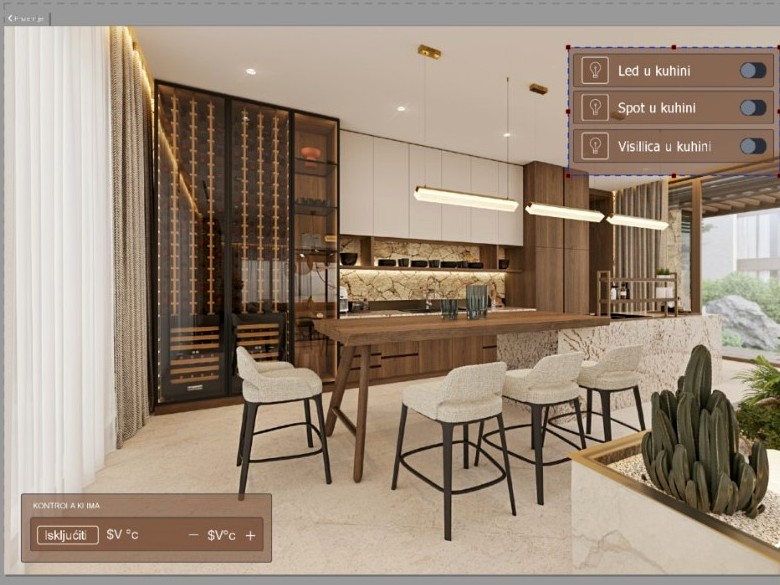
That is why the same house never has only one meaning. For one person, it may be a major life decision, a responsibility and a long-term asset. For another, it is quiet, privacy, morning routines, children’s safety, bedroom light, living-room temperature and the feeling that the space naturally follows life.
A good technical design must understand both perspectives.
We do not design systems only so that a building can be technologically advanced. We design them so that the home is understandable, reliable and comfortable for the people who live in it.
That is why the conversation does not begin with the equipment you want. It begins with how you imagine life in the home.
How we build trust
Trust is not created by saying that it matters. It is created when the investor sees that a recommendation is based on real need, not the value of an order.
Network infrastructure is a simple example. There are more expensive cable categories and solutions that sound more impressive. In a residence, the goal is not to install the most expensive option by default, but the one that provides sufficient capacity, reliability and meaning for that particular space. For longer routes and complex infrastructure, we often introduce fibre because it is reliable and economically reasonable today.
A good technical partner does not search for the most expensive solution. It searches for the most rational one.
Privacy is part of the design
In high-end residences, technical systems can reveal more than is visible at first sight. Access control, CCTV, intercoms, automation, energy monitoring and network infrastructure may reveal daily habits, presence, movement patterns and security needs.
That is why privacy is not an add-on for us. It is a professional obligation. We do not publish identifiable details, locations or content that could compromise the family. We also select equipment not only by price, but by reliability, security, serviceability, local control and long-term system protection.
Technical infrastructure must not endanger what it is supposed to protect.
In a good system, the strongest confirmation is often silence
A successful project is not always the one people talk about the most. Often, it is the one that continues to work quietly, predictably and without constant intervention.
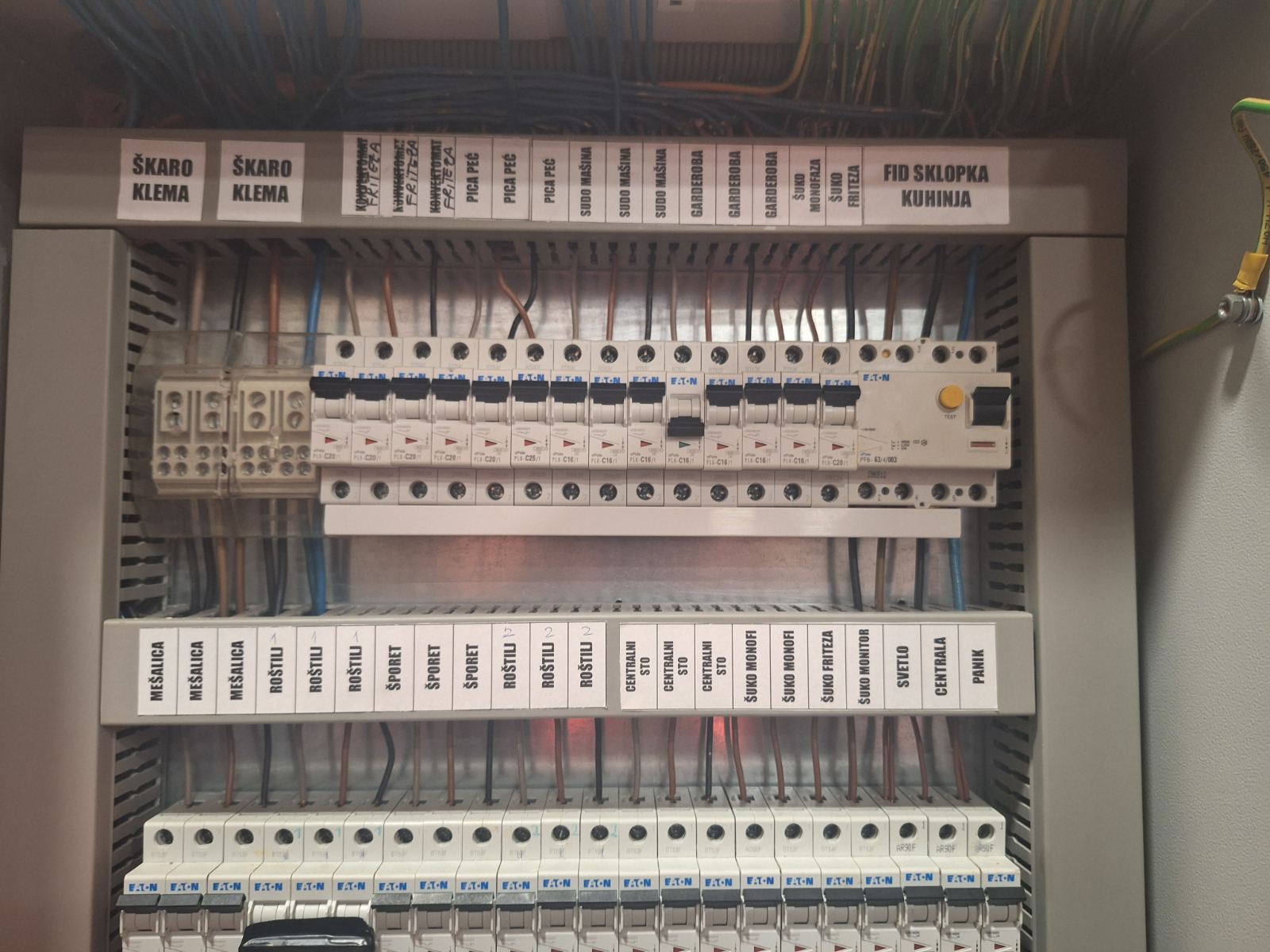
One control system we implemented has been running for approximately ten years without intervention on that equipment. In another case, a client told us after more than a year that they had not called because everything we designed and delivered simply worked.
Bring us in while decisions can still move
The greatest value of technical coordination appears early — while routes, technical spaces, systems and budget are still open for better decisions.