Partners on site, not only designers from the office
A good design must not leave the installer alone with unclear details. On site, we act as a partner who helps decisions be understood, changes be controlled and systems be executed without unnecessary improvisation.
Design documentation should make work easier, not hide it behind drawings.
Electrical installers work in real conditions: tight timelines, multiple teams in the same space, interior changes, mechanical system changes, unclear levels and pressure to solve issues immediately.
That is why our relationship with contractors is not bureaucratic. A design is not made so someone has a file in a folder. It is made so people on site can work more safely, more clearly and with less risk.
AVIORA does not see installers as the last link in the chain. We see them as partners who carry a large part of the responsibility for turning a technical idea into reality.
Less guessing. More clear decisions.
A designer who remains available on site
A good design does not help only the investor. It also helps the team that has to execute it. That is why we insist on clear routes, logical equipment organisation and communication with installers before a problem turns into improvisation on site.
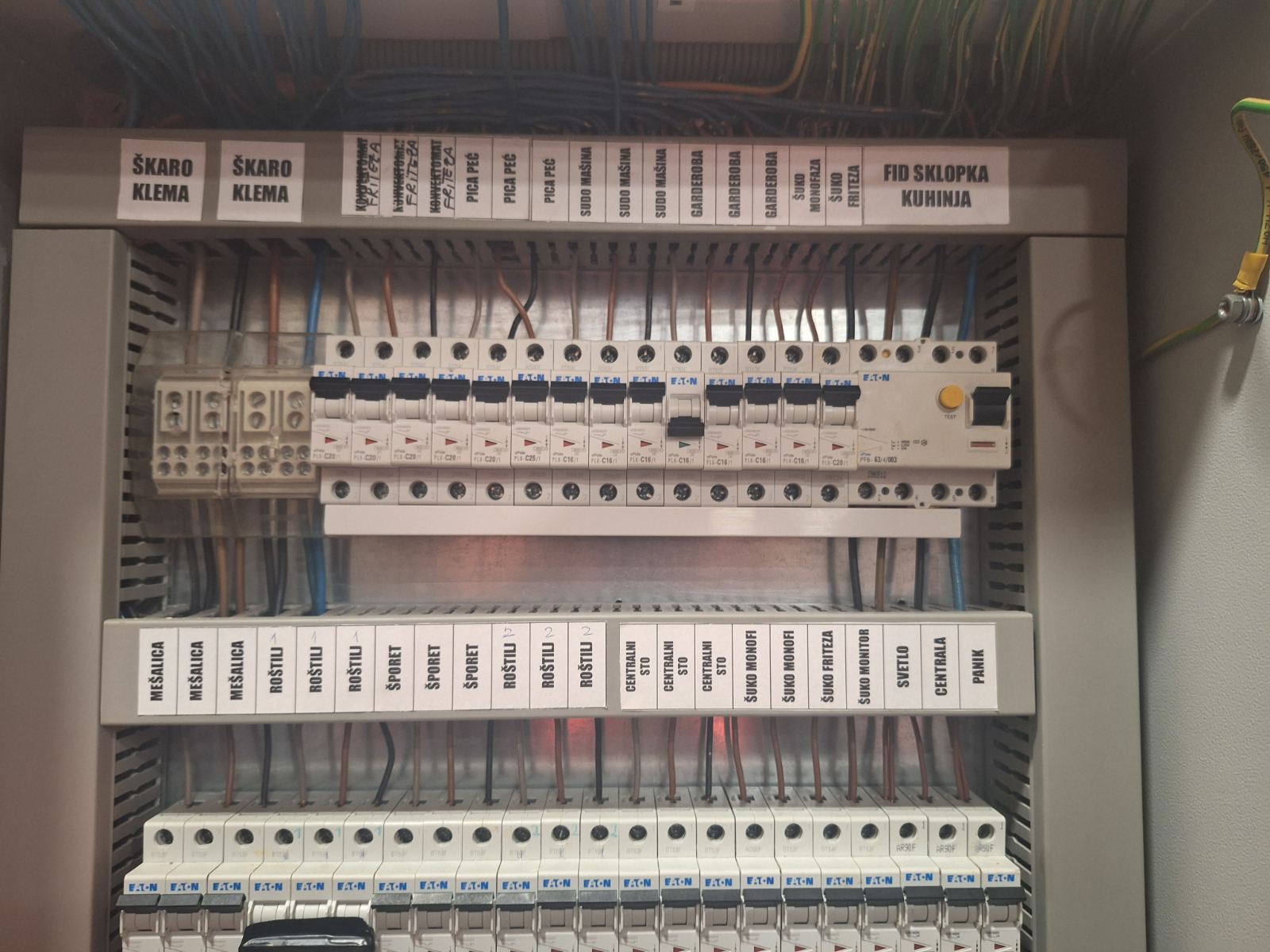
One conduit today often means much less demolition tomorrow
In our projects, we often insist on additional conduits, oversized routes, reserve paths and optical fibre infrastructure across the complex.
At first glance, this may look like excess. On site and over years of use, it often becomes the cheapest insurance the building could have received.
A construction site is a living thing. It is enough for a future excavation to go a few centimeters deeper than planned. It is enough for the team on site not to have the full picture of the installations below the surface. One moment of inattention can damage a cable whose replacement without a reserve route requires serious construction work.
An even greater problem appears when a fault is repaired quickly, without the design and without understanding the system. We have seen the consequences of wrong reconnection of conductors in an industrial complex. Such situations teach us that good documentation and good communication are not a formality, but protection of people, equipment and time.
We do not design for the ideal scenario. We also design for the moment when something goes wrong.
Before works begin, we clarify critical points
The greatest value for contractors appears when questionable positions, routes, cabinets, heights, reserve paths and work phases are clarified before the site enters a fast rhythm.
- Project review with the responsible installer
- Marking critical routes and positions
- Coordination with interiors, architecture and mechanical systems
Better to ask before than repair after
A question on site is not the problem. The problem is when a decision is made without checking and later becomes a hidden fault, conflict with the interior or unsafe reconnection.
- Technical support during execution
- Agreed changes that remain documented
- Less improvisation and less shifting of responsibility
Our principle toward installers
We do not ask contractors to guess what the designer meant. The design must be clear enough to execute, and the designer must be present enough to help when the reality of the site differs from the paper.
Good installers protect the quality of executed work. AVIORA helps them stand behind clear logic, coordinated documentation and decisions that will not need to be repaired after finishing works.
Involve us before the site starts improvising
If you are a contractor, responsible installer or team taking over works on a complex residential project, we can review the project, critical routes and points that should be clarified before execution.